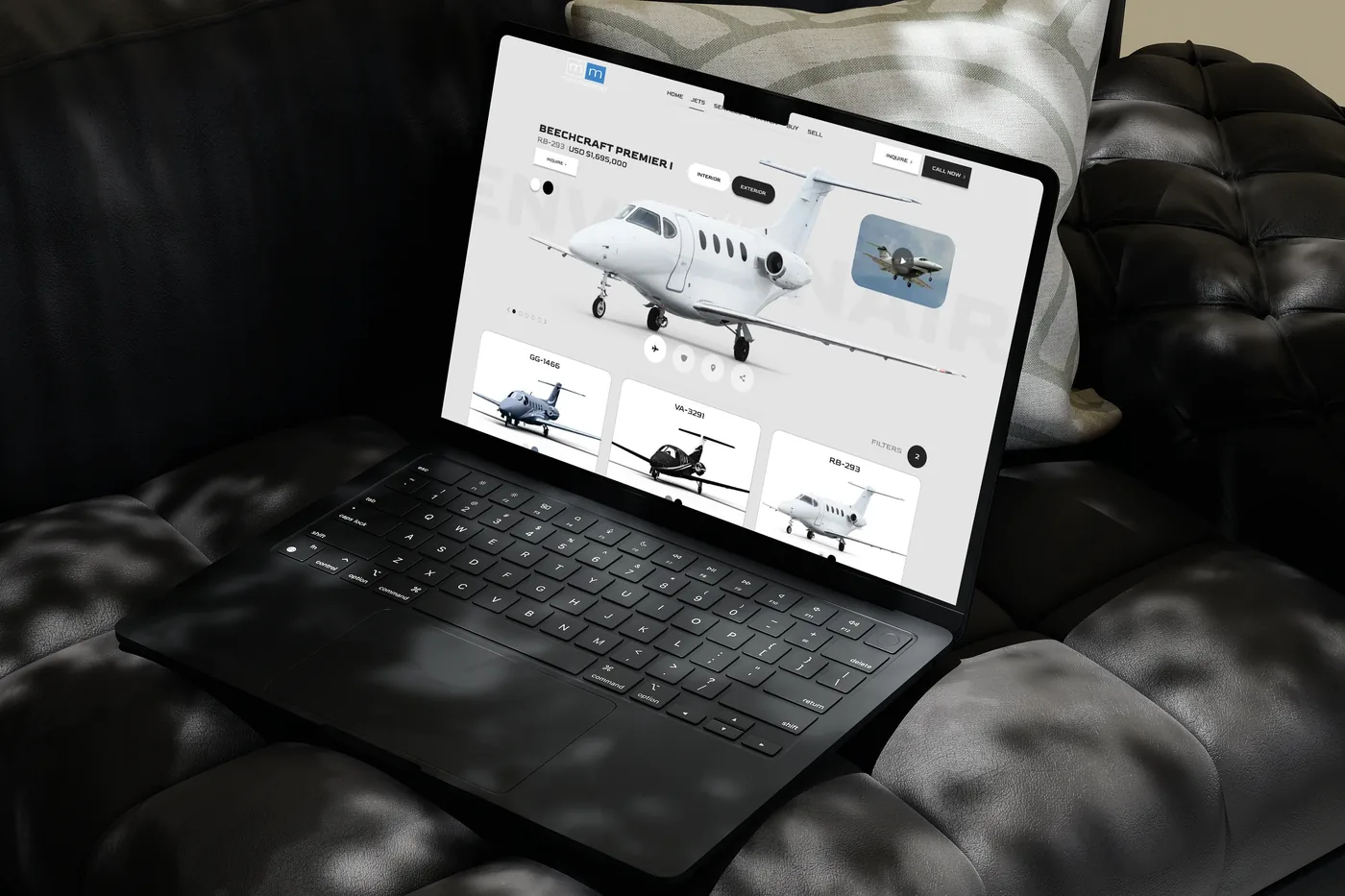
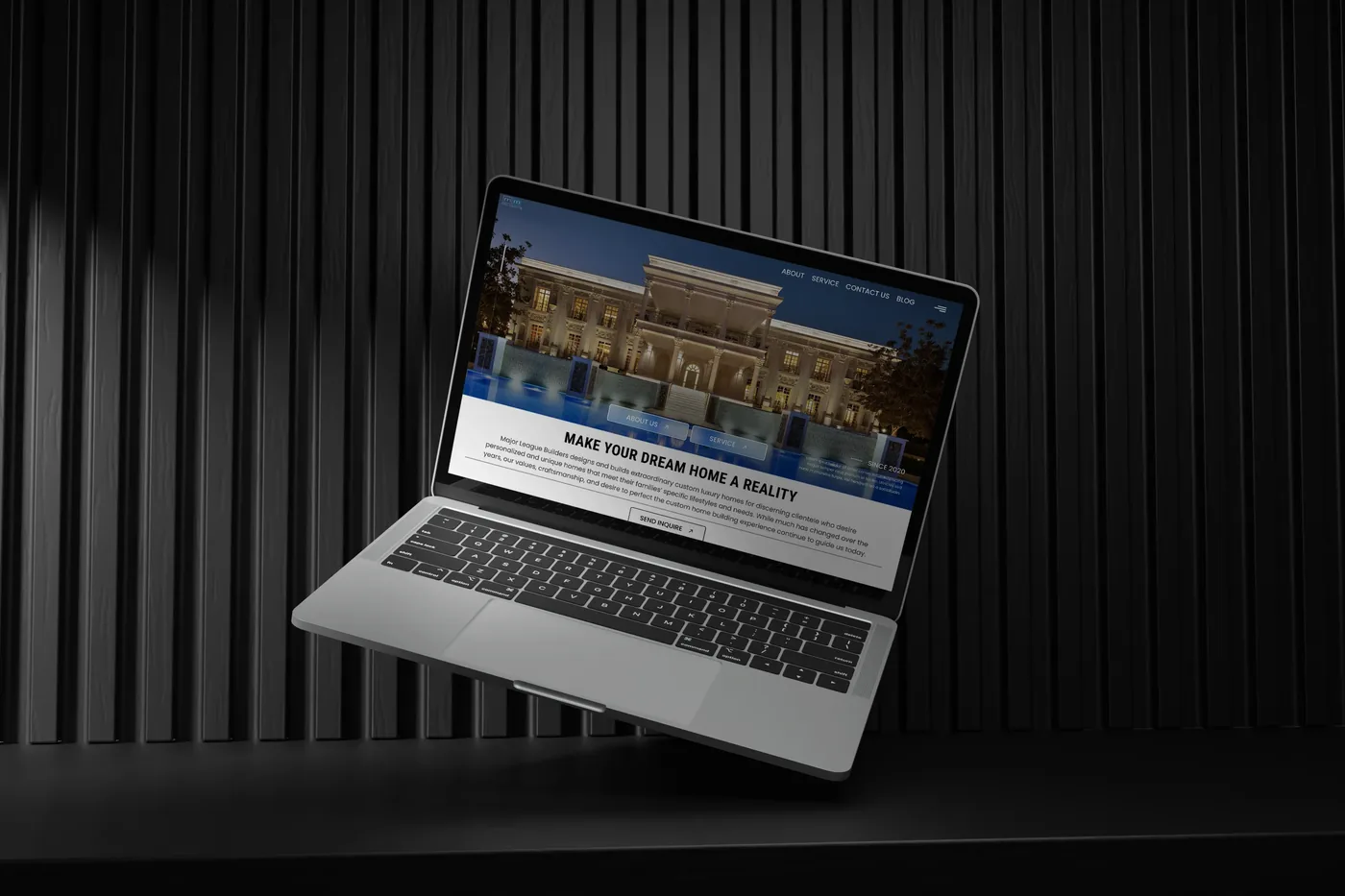
Our web design services connect branding, user experience, website functionality, SEO, content, and conversion strategy around your business goals.
01
Custom Website Design
Milea Marketing designs custom websites with clear branding, strong graphics, readable content, and layouts built around your target audience.
We plan each design around your business, services, positioning, customer needs, and growth goals rather than forcing your content into a generic template.
02
Responsive and User-Friendly Design
We design websites to work across desktop, tablet, and smartphone screens so visitors can read, navigate, contact, request estimates, and purchase without unnecessary friction.
We organize navigation, buttons, forms, content, and interactive elements so visitors can understand the website and take action easily.
03
SEO-Friendly Website Structure
We structure web pages with clean URLs, descriptive page titles, organized headings, internal links, relevant content, and clear relationships between pages.
This creates a stronger foundation for local, service, and branded search visibility and ongoing SEO.
04
Conversion-Focused Web Pages
We design landing pages, service pages, forms, calls to action, trust signals, and lead paths that help turn website traffic into inquiries, calls, estimate requests, and sales.
We organize each page so visitors can find important information quickly and take the next step easily.
05
Website Development and Custom Functionality
Milea Marketing primarily builds custom HTML websites for businesses that want a tailored website structure, design, and front-end experience.
We also develop WordPress websites for businesses that need an editable content management system.
Depending on project scope, we build forms, lead-generation features, ecommerce functionality, interactive elements, integrations, and other business-specific features.
06
Website Integrations and Automation
Milea Marketing connects websites with the business and marketing systems your project requires.
We integrate CRM platforms, email tools, analytics, ecommerce systems, APIs, and lead-management tools to reduce manual work and keep information moving between systems.
When AI or automation supports a defined business need, we select tools around the project’s workflow, integration requirements, technology stack, and data needs.